Laminating is the simplest way to make paper durable: a plastic foil, heat- sealed, done. But not everything belongs in foil — and for some documents laminating is actually a mistake. The honest overview.
What laminating really does
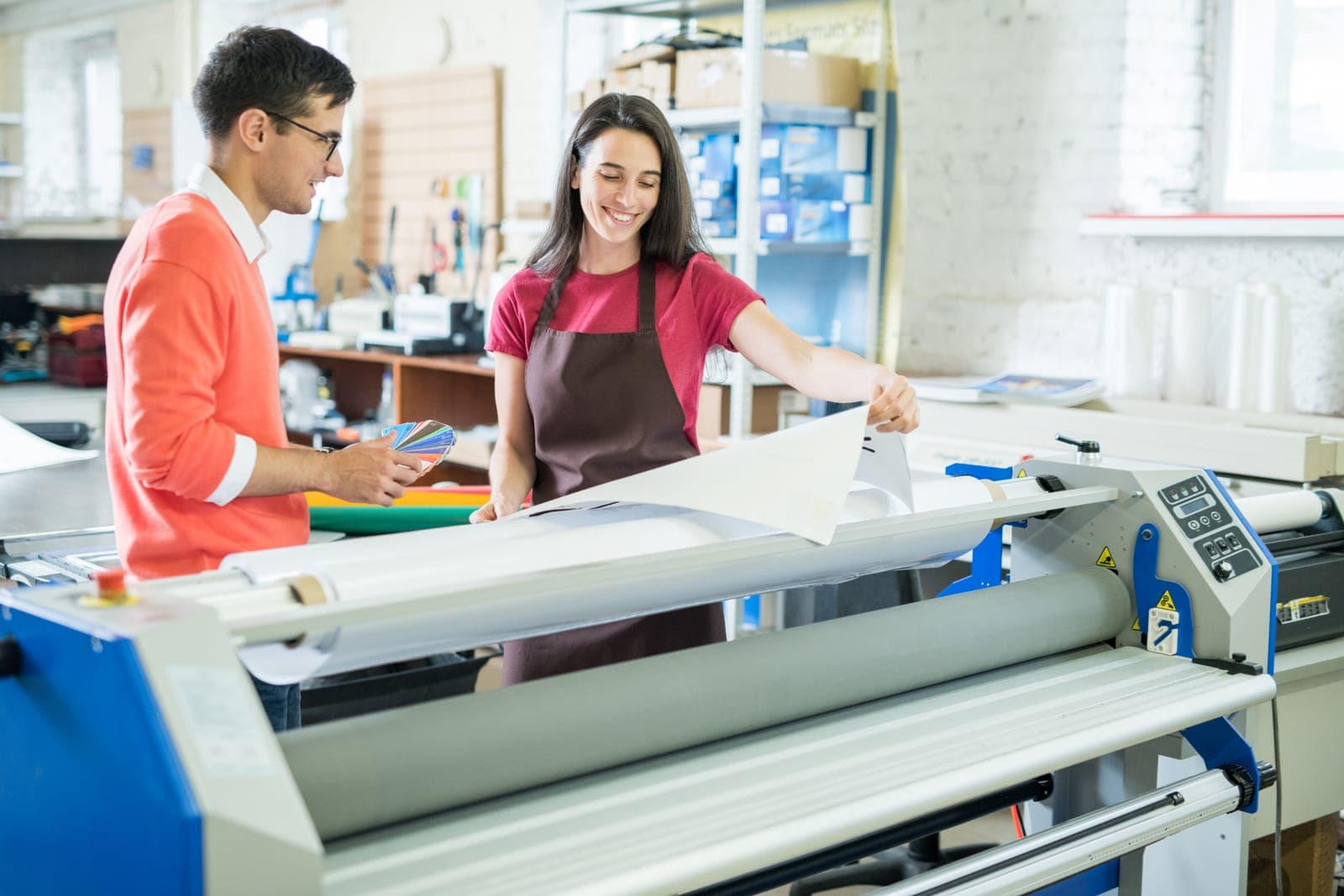
The foil protects against paper's three most common enemies: creases, stains and moisture. Laminated sheets can be wiped clean, survive daily life in kitchens, workshops and school bags, and stay presentable outdoors for a while. We laminate up to DIN A3 — from small cards to notices.
The classics where it pays off
- Menus and price lists: handled daily, often wiped damp — the textbook case.
- Notices and signs: stay readable and don't curl.
- Flashcards and overviews: survive backpacks, kitchen tables and exam stress.
- Instructions and worksheets: for anything used permanently in a workshop or business.
- Everyday documents in heavy use: emergency numbers, timetables, checklists.
By the way: written on with a non-permanent foil pen and wiped clean, a laminated sheet becomes a reusable checklist.
Certificates and originals: laminate the copy, spare the original
Three cases where the foil should not touch the original — and what works instead:
- Official certificates and diplomas: some authorities no longer accept laminated originals because they're harder to verify. The solution: we copy the document and laminate the copy — the original stays untouched in your folder. If you also want the content preserved digitally, have it scanned while you're at it.
- Anything that might still change: laminating is final — the foil doesn't come off without destroying the sheet. For lists that change, the foil-pen trick above does the job.
- Documents that need folding: foil and folds don't get along — we laminate such sheets flat, or they become a folded leaflet without foil.
In short
Anything handled often or hanging outside: laminate it. Originals and official documents: laminate the copy, spare the original. And if you're unsure — just bring it by, we'll tell you honestly what makes sense. All the details on formats, cutting and quantities are on the laminating page.
Send an inquiryFrequently asked questions
What is worth laminating?
Anything handled often or hanging outside: menus, notices, signs, flashcards and checklists. We laminate up to DIN A3.
Can the laminating foil be removed later?
No, laminating is final – the foil doesn't come off without destroying the sheet. If you're unsure: laminate a copy and keep the original.
Should I laminate certificates or diplomas?
Better not the original: some authorities no longer accept laminated originals because they're harder to verify. Have a copy laminated and keep the original – if you also want it preserved digitally, have it scanned.
I only have the file – can you print and laminate in one go?
Yes: we print first and laminate right afterwards – a single sheet or a whole batch. Formats, cutting and corners: laminating.